
Why Are We Collectively Obsessed With Heated Rivalry? A Somatic Therapist’s Perspective.
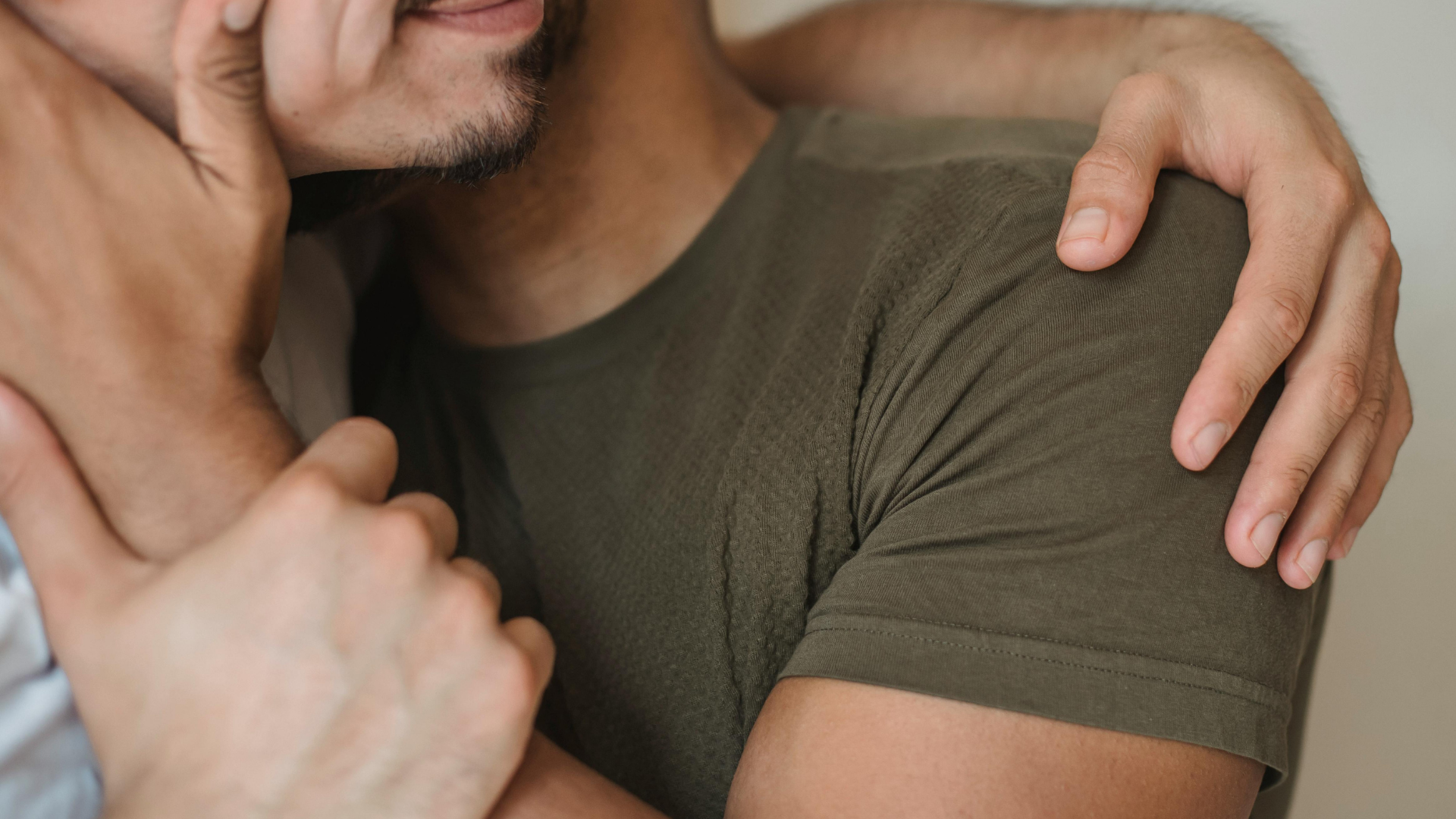
People pleasing is one way that trauma responses can manifest in relationships. In reality, people pleasing can be a survival strategy.
Just in case you have been hiding under a rock for the past month, Heated Rivalry, a Crave Canada (and now HBO’s) new queer hockey romance is all anybody seems to be able to talk about online. And listen, I’m not going to pretend that I haven’t seen it my fair share of times, watched edits, and even made my husband watch it with me. (Don’t worry, he immediately fell in love with Shane and Ilya too.)
This six episode series follows the path of two rival hockey players who are each dealing with their own internal battles with their sexual orientations while juggling pressures from fans, teammates, and family members to perform and provide. We get to watch Shane and Ilya slowly (and I mean slowly, this story takes place over the course of roughly a decade) transform their steamy hookups in the shadows to something deeply intimate and tender.

Heated Rivalry is a six episode series that follows the path of two rival hockey players who ultimately fall in love. Image Credit: IMDB
Being a therapist, I usually have my therapist hat off when I’m at home. Contrary to popular belief, most therapists don’t wander around psychoanalyzing people for the fun of it. (A “plumbers don’t fix toilets for the fun of it on the weekend” kind of thing.) However, after being completely sucked into this story and seeing how it has captivated the minds and hearts of so many in a way that I haven’t witnessed in a long time, I had to start thinking about why that is.
I have a few theories if you want to stick around and chat about them with me.
Softness and Safety Matter in Relationships and Healing
Emotional Vulnerability vs. Emotional Labor
Especially in a world where toxic masculinity is the norm, it feels like the biggest breath of fresh air to see men rely on their own skills of self-discovery and empathetic curiosity to cultivate emotional intimacy. This emotional vulnerability and authentic connection is what many of us crave in our own healing journeys. Basically, women are exhausted by providing emotional labor for men because they refuse to be introspective on their own.
Creating Safety in the Nervous System
Also, in a world in which 1 in 5 women are sexually assaulted, many can have a fear response to watching sexual or emotional intimacy between two actors even on screen. It is a natural nervous system response to have after experiencing trauma that terrifying. f you want to understand more about how your nervous system responds to perceived threats, read our guide on fight, flight, and freeze responses.
In this story, there is no danger towards women. Instead of old, played out dynamics wherein women find themselves at the physical mercy (by default) of men, there is an even playing ground with physical size, financial status, and social status. This sense of safety allows the nervous system to relax and experience the story without triggering trauma responses. It has allowed a lot of women to be able to enjoy the story without these added dynamics.
Accessing the Ventral Vagal State for Connection
As a somatic trauma therapist in Kansas City, the thing I am always trying to do is to help people find safety again. This is not just a mental state but a physical state of being; it is being able to access the ventral vagal (see many of my other blog posts about this) state on a regular basis in order to be able to fully connect with others. Through somatic therapy, we work to help your body feel safe enough to heal from trauma. (Learn more about regulating your nervous system and what it really means for healing here.) We get to see Shane and Ilya move into a place in their relationship where they are more calm (probably in this part of their nervous systems) with each other, which allows for them to connect on a deeper level. We all need this in our lives, and it feels like a warm hug to watch.
Hormones Drive Our Emotional Responses
I believe I will be saying this both as a therapist and a person until the day that I die, but we are not mind and body separated, but mind, body, and spirit all in one. Each part of us impacts the other (and I don't even really like to think about them as parts because that contributes to the narrative that they are all interdependent). This mind-body connection is at the heart of trauma healing and why body-based therapies can be so effective. (To dive deeper into this connection, check out how repressed emotions can make you sick.)
Adrenaline and the Nervous System
The idea that they are doing something bad or are about to get caught gets the blood pumping. The hint of danger hooks us and gets our adrenaline going. That’s why a lot of people shoplift too – the adrenaline high of it all.
Dopamine: The Reward Chemical
Dopamine is that “reward center” in our brains. The feeling you get when they finally admit their feelings for each other or engage in some flirty texts and you are giggling and kicking your feet? Dopamine.
Serotonin and Emotional Well-Being
Serotonin is the “feel good” chemical. We might watch our favorite shows over and over again because we know we can rely on them to make us feel better.
Oxytocin: The Connection Hormone
Oxytocin is the “love” hormone. It is the chemical released when mothers breastfeed their babies or during/after sex with a trusted partner. I don’t think I really need to explain that any more here, do I?
Embracing Imperfection Supports Emotional Healing
Understanding Dissociation and Survival Responses
Shane and Ilya, like all of us, are deeply imperfect. Ilya is often emotionally detached and in survival mode due to being from Russia where queerness is illegal and having to navigate his father’s declining health. As a therapist, I would be able to take one look at him and say he’s definitely disassociated a lot of the time and is desperately seeking connection and grounding through sex.
Neurodivergence and Authentic Communication
Shane is neurodivergent (please let me be clear that this is not his "imperfection") which can cause misunderstandings in communication with others. He often feels pulled back emotionally which isn't actually how he is experiencing the world. This authenticity in showing up as our whole selves, including our struggles, is essential for genuine connection and healing.
Rupture and Repair in Relationships
Instead of how most of us see real life romance playing out where people are quick to ghost each other based off of one "red flag" or "ick," these two allow their counterparts to be flawed and instead of judging, they make space for it. There are small moments of rupture and repair throughout the six episodes which are really lovely and refreshing to witness. These patterns of rupture and repair are what we work with in therapy for trauma healing, helping your nervous system learn that relationships can be safe even when they're imperfect.
For more on how trauma shows up in relationships, read about common trauma patterns in relationships and how to heal them.
Something I really love about being a therapist is getting to help people see underneath their behaviors in order to identify what is really going on. If we dismiss people immediately based on their behavior that we don't understand, we miss their beauty. I get to work with a lot of deeply beautiful people :)
We Need Positive Narratives for Trauma Recovery (Especially for Queer Folks)
How Our Nervous System Anticipates Outcomes
Our world is really challenging to navigate right now. A lot doesn’t feel safe. I found it really interesting when speaking with friends about this show that a lot of them were braced for the final episode because they were waiting for something to go wrong. I had one friend tell me she had to watch it twice because she almost couldn’t enjoy it the first time around.
Our nervous systems detect patterns and start to assume outcomes in order to keep us safe. This is how trauma gets stored in the body and why healing requires new experiences of safety, not just new thoughts. It is the same mechanism by which we just know that we shouldn't stick our hands into a fire because it will burn us. Why would we expect something different?
The Healing Power of Happy Endings
For people who have been burnt in relationships, seeing two people get the peace and love they finally deserve is life giving. For queer people who don’t often have the experience of coming out and having a good experience, or ever feeling true support for their relationship, this story can be a balm for that wound.
Experiencing Safety to Heal Trauma
Obviously, it isn't real life and tragic stuff still happens. However, it is important to see stories represented that end well. These positive narratives can help our nervous systems practice feeling safe and experiencing hope. Again, my job as a somatic trauma therapist is to help people find safety again in their nervous systems. To do that, we have to have real experiences of safety that we can truly feel.
If you're curious about what healing actually looks like, explore these 5 signs you're healing from trauma.
Somatic Therapy Can Help You Find Safety and Connection
If you're ready to explore how somatic therapy can help you find that sense of safety and connection in your own life, I'd love to support you. I think it is safe to say that we could all feel the palpable relief of safety for these two in the end.
Start Your Trauma Healing Journey With Somatic Therapy
At Embodied Healing KC, our trauma-informed therapists guide you with compassion and skill, helping you safely process emotions and build resilience. If you are ready to start healing from trauma and would like some support, reach out! Lauren Bradley has immediate openings and is ready to help you on your journey.
Frequently Asked Questions About Heated Rivalry and Emotional Healing
-
Somatic therapy is a body-based approach to healing trauma that focuses on the physical sensations and responses stored in your nervous system. Unlike traditional talk therapy, somatic therapy helps you process trauma through your body's innate wisdom, allowing you to release stored tension and find safety again.
-
When we experience trauma, our nervous system activates survival responses like fight, flight, or freeze. These responses can become stuck in our bodies, creating ongoing symptoms like anxiety, hypervigilance, or disconnection. Somatic therapy helps complete these survival responses so your nervous system can return to a state of safety and regulation.
-
We're wired for connection, and stories that show authentic emotional vulnerability resonate with our deep need for safety and intimacy. When we see characters navigating difficult emotions and finding their way to healing, it can provide hope and a sense of possibility for our own healing journeys.
-
The ventral vagal state is the part of your nervous system associated with feeling safe, calm, and socially connected. When you're in this state, you can more easily connect with others, regulate your emotions, and experience a sense of well-being. Somatic therapy helps you access this state more regularly.
-
Somatic therapy can be especially helpful if you've tried talk therapy but still feel stuck, if you experience physical symptoms related to trauma, or if you notice that your body holds tension or responds intensely to certain situations. If you're curious about whether somatic therapy might support your healing journey, consider reaching out for a consultation.

Stevie Olson-Spiegel is a Licensed Therapist and Somatic Experiencing Practitioner located in Kansas City. She uses Somatic Experiencing as her main body-based trauma healing modality, as well as EMDR. As an Intuitive Eating Counselor, she uses these principles to help her clients challenge their relationship with their cultural misconceptions about their body and food.



Dr. Rick Hanson’s HEAL method, why our brains are wired for negativity, and simple ways to take in the good for lasting resilience, from a Kansas City therapist.