
Is People Pleasing A Trauma Response? Understanding the Fawn Response

People pleasing is one way that trauma responses can manifest in relationships. In reality, people pleasing can be a survival strategy.
So many people would proudly describe themselves as “the peacemaker,” “the fixer,” or “the helper”. These people are the ones a lot of people would say are just “super easygoing” and can always be relied upon. However, there is often a much deeper story here that involves people-pleasing, and may involve a trauma response called the fawn response. While a lot of these people are indeed kind, their people pleasing does not always originate from a desire to be kind to others.
What Is People Pleasing?
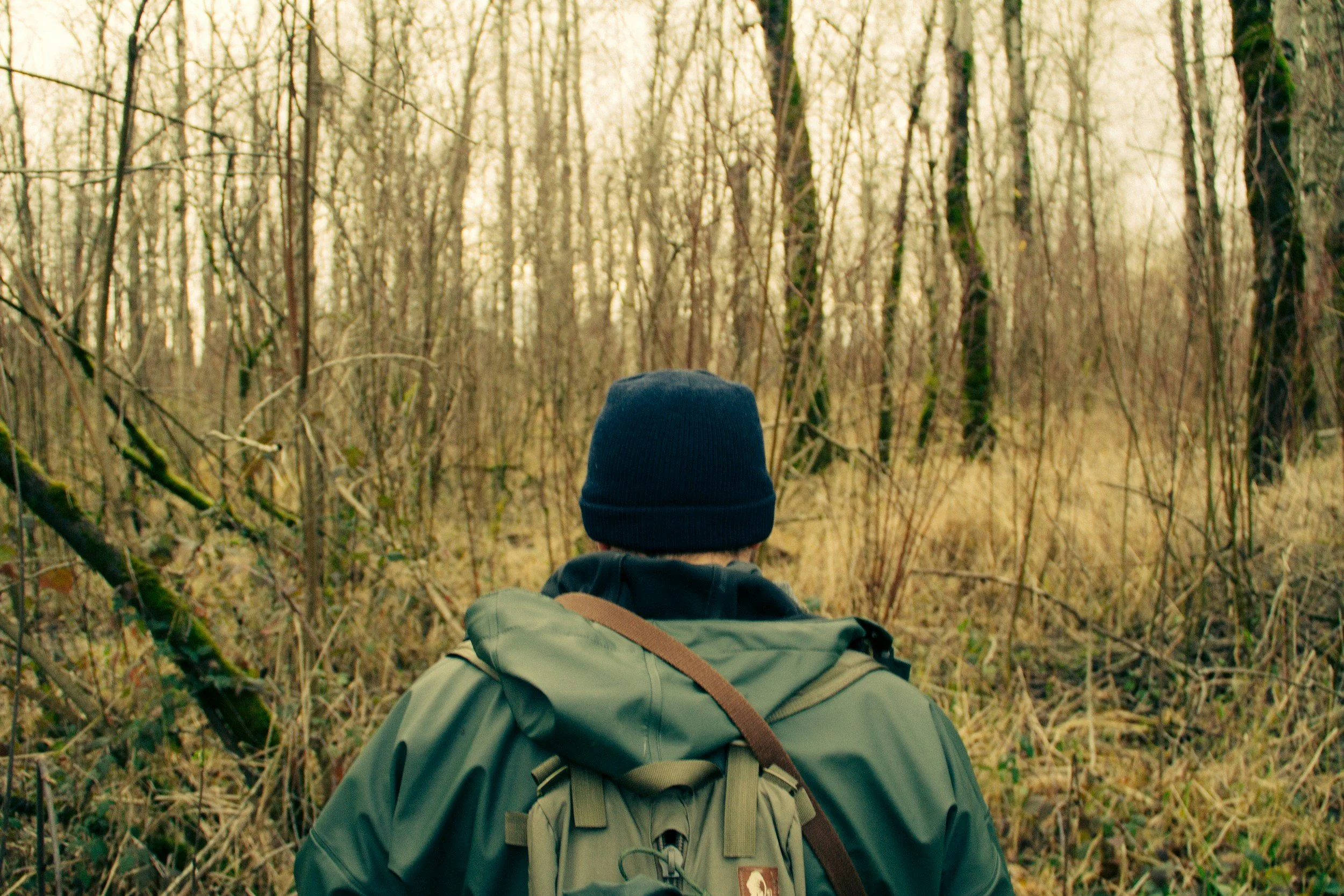
People pleasing may look like kindness, but it is often rooted in survival strategies.
People pleasing is a person’s way of coping that is rooted in survival strategies. The survival strategy is making sure other people are happy so that they themselves don’t feel any blowback. The people pleaser usually has a really difficult time tolerating the idea of somebody being upset with them.
Is People Pleasing A Flaw?
It is super important to note that people pleasing is not a personality flaw or a moral failure. In my practice as a trauma therapist, I highly emphasize that these survival strategies should not be pathologized, but met with kindness and curiosity.
What Are Common Signs Of People Pleasing?
Common signs of people pleasing are:
Saying “yes” when you want to say “no.”
Feeling resentful because you often abandon yourself.
Being hyper-aware of other people’s needs.
Finding it difficult to “move on” if you think somebody is upset with you.
Avoiding conflict at all costs
Feeling like you are always “on” when you are with others.
Being able to read other people’s facial expressions, even minor ones.
Feeling incredibly sensitive to somebody’s unspoken anxiety, anger, or fear.
Looking At People Pleasing Through The Nervous System Lens
People-pleasing at its core is a fawn response. The fawn response is one of the lesser talked about survival strategies in the somatic therapy world (You can read about fight, flight, and freeze here).
In terms of where somebody is probably at in their nervous system when they are fawning, this is an interesting discussion. Most professionals would probably say that a person who is chronically fawning, or people-pleasing, is in a functional freeze. In other words, you can do things that you need to do, you can move around and be productive, but often feel really foggy and emotionally detached.
Essentially, the people-pleaser has learned the skill of maintaining connection in order to stay safe and prevent harm.
Note: People-pleasing has a high energy output. It is often hard for this person to be restful around others because they are constantly internally questioning what others need and how to meet those needs. That means that people pleasers are at higher risk for burnout, illness, and disease. People-pleasing carries a high allostatic load.
Why People-Pleasing Is Not A Character Flaw
If you look at any famous media where there is a “yes man,” such as Jess Day from the TV show New Girl or Monica Geller from the TV show Friends, they are almost mocked, laughed at, and dismissed for their fawning behaviors. I’ll admit that I have even had a chuckle or two with a client over their drastic measures to avoid conflict.
Looking At People Pleasing Through A Somatic Therapy Perspective
However, like I stated before, it is so important not to pathologize this behavior if we truly want to understand it. How does this look in session?
Suzy came to somatic therapy because she really wants to get to the bottom of why she feels so burnt out all of the time. After a couple of months, she and her therapist start to notice that she has this pattern of always being the first to jump in and volunteer her time. She is always saying “yes” to things she has no emotional capacity for. With some further exploration, she realizes that this people-pleasing behavior started because she grew up with a parent who was emotionally volatile. Suzy only received nurturance when she was “being a good helper” around the house. Suzy’s own sense of calm only came when her parent was happy.
This is why curiosity is our friend in therapy. Without curiosity, we can’t get to the root cause of the behavioral pattern, in this case, people-pleasing.
What Are The Trauma Roots of People-Pleasing?
Childhood Environments That Cultivate The Fawn Response

Children who grew up with parents who had substance use issues may find that they are more prone to people pleasing or experiencing the fawn response.
People-pleasers, or those who experience the fawn response, are not created in a vacuum. They often come from families that have some of these characteristics:
Caregivers with unpredictable emotions.
Being parentified (having duties that only the parents should have)
Parents with emotional issues, such as low conflict resolution or substance use problems
Siblings with volatile behaviors
Caregivers who were unreliable or simply not there enough
How Does People Pleasing Show Up Physically?
People-pleasing isn’t just an outward behavior that is directed toward another person. It is a full on nervous system response. (Read more about how trauma shows up in the body here.)
As a somatic therapist who works with a lot of recovering people-pleasers, here are common ways I see people pleasing show up in the body:
Chronic muscle tension (needed in order to inhibit their natural impulses)
Making themselves physically smaller (dieting, posture, etc)
Difficulty with personal boundaries, even spatially
Tension in the throat
Stomach aches
Headaches
Chronic fatigue
What Does Healing From People-Pleasing Look Like?
How Do Somatic Therapy and EMDR Support Healing From the Fawn Response?
Healing from people-pleasing is a lot more complicated than just “stopping it.” It is important to do trauma work, like Somatic Experiencing, or EMDR, to help get at the root cause of why the behavior started in the first place. This will help somebody feel safer to stop the fawn response and allow them to tolerate the discomfort of the possibility that somebody is unhappy with them.
What Are Signs You’re Healing From the Fawn Response?
So, what could you look for as signs that you are healing? Here are a few (but definitely not all) of the signs that you might see when healing from the fawn response:
You are able to say no with less guilt and fear
You can feel your body when you are around other people
You are able to pause before jumping in to appease somebody
You listen to your own needs
You can self-advocate
You feel less spent or burnt out after spending time with people
People know more about you because you take up emotional space
You can set boundaries with other people
What Is The Difference Between Fight, Flight, Freeze, and Fawn? A Side-By-Side Comparison
Trauma responses like fight, flight, freeze, and fawn are not choices or personality traits. They are automatic nervous system reactions designed to keep us safe. While these responses can look very different on the outside, they all serve the same purpose: survival.
Understanding how each trauma response functions and how the fawn response plays a role can help bring clarity, self-compassion, and language to trauma patterns you may be experiencing. The side-by-side comparison below offers a simple way to see how these trauma responses show up emotionally, physically, and relationally.
- Irritability, snapping, arguing
- Defensiveness or rigidity
- Strong boundaries that feel sharp
- Soften the jaw and shoulders
- Lengthen the exhale
- Name the perceived threat
- Overworking or staying busy
- Avoiding emotions or conversations
- Restlessness or anxiety
- Orient to your surroundings
- Slow one task intentionally
- Notice what you are avoiding
- Zoning out or dissociating
- Procrastination or feeling stuck
- Low energy or collapse
- Gentle pressure through hands or feet
- Add warmth or containment
- Take the smallest next step
- People-pleasing or over-apologizing
- Difficulty saying no
- Managing others’ emotions
- Pause before responding
- Practice a clear, simple no
- Check in with your own needs
If you recognize yourself in any of these common trauma responses, know that nothing about you is broken. These patterns formed for a reason, and with the right trauma-informed support, they can soften and shift over time. Through approaches like somatic therapy and EMDR, it’s possible to help the nervous system feel safe enough to respond differently, allowing for healthier boundaries, deeper connection, and less exhaustion.
There is hope. Have patience with yourself. Happy healing!
Start Your Trauma Healing Journey With Somatic Therapy
At Embodied Healing KC, our trauma-informed therapists guide you with compassion and skill, helping you safely process emotions and build resilience. If you are ready to start healing from trauma and would like some support, reach out! Lauren Bradley has immediate openings and is ready to help you on your journey.
Frequently Asked Questions About Trauma Patterns In Relationships
-
When people pleasing is a trauma response, it means the behavior developed as a survival strategy to maintain safety, connection, or avoid harm. It is often linked to the fawn response and nervous system dysregulation rather than personality traits.
-
Yes. People pleasing is closely connected to the fawn response, a trauma survival strategy where a person appeases others to avoid conflict, rejection, or emotional harm. This response is rooted in the nervous system.
-
People pleasing often develops in childhood environments with unpredictable caregivers, emotional volatility, parentification, or lack of safety. Over time, the nervous system learns that appeasing others helps maintain connection and reduce threat.
-
Yes. Somatic therapy helps people pleasers reconnect with their bodies, regulate their nervous systems, and tolerate discomfort without automatically fawning. It addresses the root trauma rather than just changing behavior.
-
People pleasing requires constant monitoring of others’ emotions and suppressing personal needs. This creates a high allostatic load on the nervous system, increasing the risk of burnout, chronic fatigue, and stress-related illness.
-
Signs of healing include setting boundaries, feeling your body around others, pausing before saying yes, advocating for yourself, and feeling less drained after social interactions.

Stevie Olson-Spiegel is a Licensed Therapist and Somatic Experiencing Practitioner located in Kansas City. She uses Somatic Experiencing as her main body-based trauma healing modality, as well as EMDR. As an Intuitive Eating Counselor, she uses these principles to help her clients challenge their relationship with their cultural misconceptions about their body and food.




Meet Stevie, founder of Embodied Healing Collective. Learn her path to becoming a trauma-informed somatic therapist in Prairie Village, Kansas.