
What Is Religious Trauma? How It Affects the Nervous System and How to Heal

Religious trauma doesn’t come from one single, isolated event. It is the impact of many events over a period of time on a person.
What Is Religious Trauma (and Why It Can Feel So Confusing)?
When a client comes in to see me for the first time, I will always ask them about their spiritual and/or religious beliefs. This is important for two reasons: One, it allows me to understand if they have any sense of support from something that feels bigger than them which can be helpful for their treatment goals. Secondly, it helps me to identify what kind of background they are coming from.
Many people find that their religious upbringing was an important part of their family’s identity and helped to shape the way that they see the world in a helpful and nourishing way. Others, however, find that it has left them with wounds that they would like to heal from. What is honestly incredible about this is that there are so many small, insidious ways that religion can bend the way a person thinks about themselves or the way the world works, and not for the better.
As I explore this today, I think it is important to recognize that I come from an evangelical Christian background which I found to be harmful and I no longer identify with. As much as I will try, it is impossible to completely remove my bias on this topic. As with all of my experiences, I hope they serve as a rudder towards empathy for all people.
Religious Trauma Defined: Spiritual Abuse, Control, and Nervous System Survival Responses
Religious trauma doesn’t come from one single, isolated event. It is the impact of many events over a period of time on a person. Religious trauma can develop when the doctrine, control, and practices of a religious body have threatened a person’s sense of self, safety, and autonomy.
In trauma therapy, we often understand these impacts through the lens of the nervous system—especially survival responses like fight, flight, freeze, and fawn.
If you’re looking for support, our team shares more about body-based approaches on the Embodied Healing Collective site, including Somatic Therapy and EMDR.
Common Signs and Symptoms of Religious Trauma
This type of trauma has many different side effects which are commonly seen in survivors:
Deep-seated guilt and shame (fear-based conditioning)
Survivors will find themselves thinking that they are inherently bad; that something about them is somehow defective. This can be seen in the ways they think about themselves, and what they think they can and can’t have. A lot of self-confidence issues come from this. People will start to not trust themselves to know what is best for them.
One of the biggest advantages of therapy is that the therapist should adhere to the Rogerian principle of unconditional positive regard. This means that no matter what, the client is seen as worthy and deserving of respect and the time it takes to be understood. This is such a corrective experience for clients who are feeling like they are bad.
Guilt is another important piece here; it isn’t necessarily that the survivor thinks they are bad (although, certainly, it can be born of this), but that they are quick to feel guilty over things that aren’t their fault. A control tactic of high control religions is the installation of guilt where it shouldn’t be. It ensures the person will acquiesce due to feeling like the fault lies with them instead of the religious body.
Confusion over identity (deconstruction, grief, and rebuilding self-trust)
There is, without a doubt, in many high control religions an assertion that the person must somehow die to themselves in order to be included into the fold. This can be the idea that they must forgo their individuality, their preferences and desires, to adhere to the cohesive look, behavioral patterns, and thinking styles that reflect the religion’s identity.
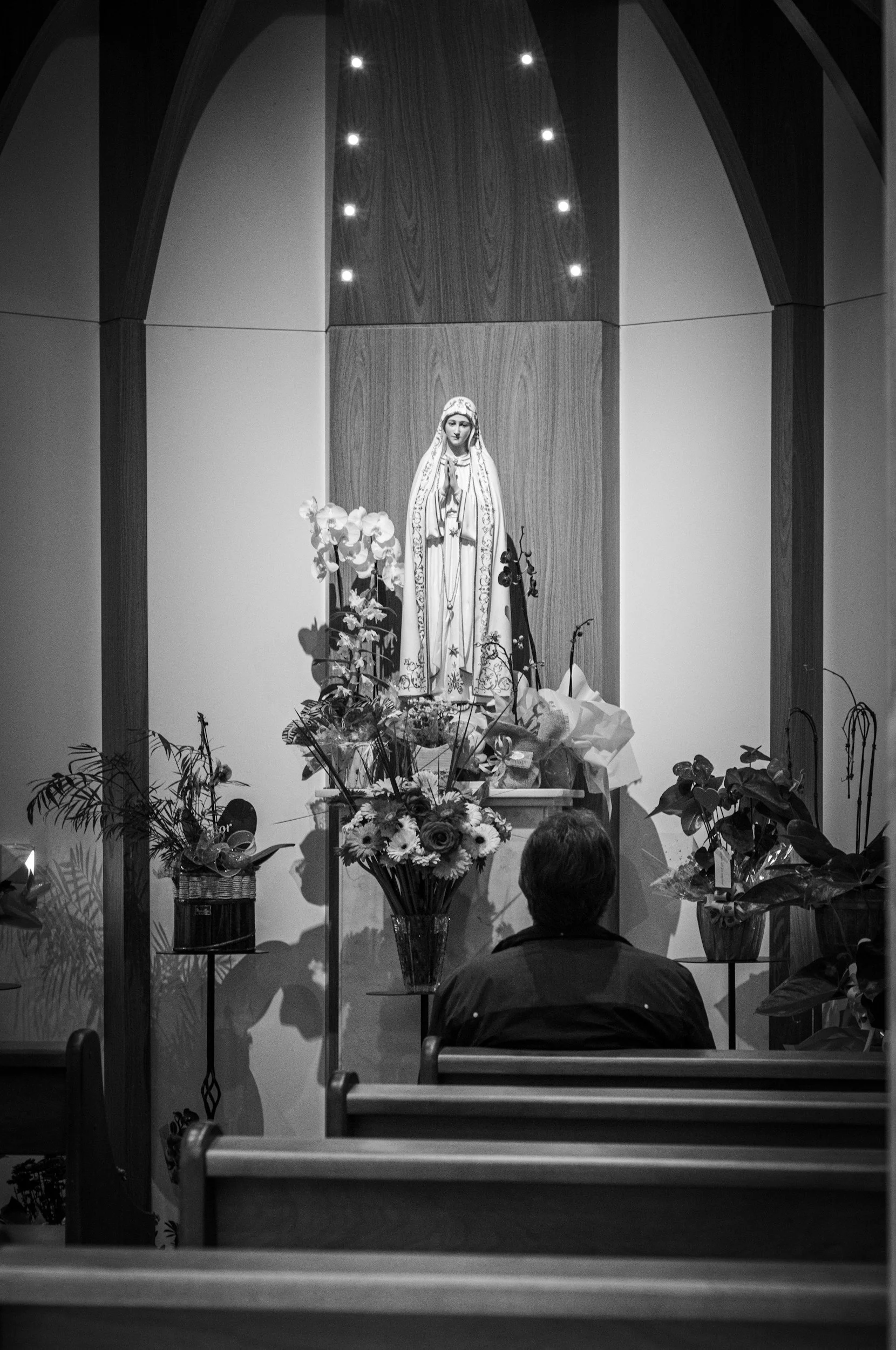
Common signs and symptoms of religious trauma include rigid ways of thinking, social isolation, physical symptoms, and chronic stress.
We see this in a major way with the LGBTQ community, who oftentimes finds themselves at odds with the teachings of their religious body. They are taught they are sinning, which causes an incredible internal rift within themselves and also between themselves and their congregation. This, in turn, creates shame and fear.
The identity of a person who leaves their religious body is also in flux; these people often feel untethered and confused about who they are now that they don’t adhere to the same belief systems anymore. While a lot of the time this is really freeing, it can also be extremely disorienting.
Rigid ways of thinking (black-and-white beliefs and trauma-related thought patterns)
If you are trained to think that one thing is bad another is good; that one way of doing things will send you to heaven and the other to hell, your thinking style can become extremely black or white. This is a distorted thinking pattern that should be lovingly challenged in therapy, as it creates a lot of stress for people if gone unchecked.
If you want a deeper breakdown of common cognitive distortions, this resource from CCI is a helpful reference: Unhelpful Thinking Styles (CCI).
Social isolation (loss of community, belonging, and safe relationships)
Just like an abusive partner who wants more control over the other person and therefore convinces them that all of their friends and family are bad and don’t have their best interests in mind, so does the high control religion. People who don’t think, look, and behave the same (aka, in accordance with the religion’s dogma) are seen as threats to the congregant’s faith. This creates an echo chamber where things can easily go unquestioned. Again, you can see how challenging this is for somebody when they leave; they have to reinvent themselves in a way.
Somatic symptoms and chronic stress (how trauma shows up in the body)
Somatizations are, in short, the physical manifestations of something that is happening emotionally. We know by now that what happens emotionally has some sort of physical manifestation, and the ACE’s study shows that trauma and chronic stress can, in fact, impact the likelihood that a person will experience unwanted health conditions later on in their life.
Learn more here: CDC—About the ACE Study and Merck Manual—Overview of Somatization.
Note:
This is by no means an exhaustive list and other people may experience their religious trauma in a different way. For additional survivor-centered education and resources, you may find this helpful: The Religious Trauma Collective.
How to Heal from Religious Trauma: A Body-Based, Trauma-Informed Approach
It isn’t going to be linear, and it sure as heck won’t be a quick fix. As much as I would love to say there is a one shot, sure fire way to remove this trauma from a person’s life, there just isn’t.
1) Stabilize safety and nervous system regulation
Before we process the hardest parts, we focus on resourcing, or building internal safety, learning what helps your body feel grounded, and expanding your “window of tolerance.”
2) Process trauma without retraumatization (Somatic Therapy & EMDR)
However, there are amazing trauma interventions, such as EMDR and Somatic Experiencing, that can really help people move through the pain and find out who they are on the other side, while lessening their trauma responses as a whole.
If you’re curious how body-based work differs from talk therapy alone, this post may be a helpful next read: How Trauma is Stored in the Body and Why Talk Therapy Might Not Be Enough.
3) Rebuild identity, boundaries, and consent
Religious trauma recovery often includes grieving what you lost, untangling old “shoulds,” and practicing boundaries that support your autonomy and relationships.
Therapy for Religious Trauma in Kansas City: You Don’t Have to Do This Alone
At Embodied Healing Collective in Kansas City, we offer trauma therapy rooted in compassion, nervous system awareness, and relationship. You can explore our services or browse more trauma-healing education on our blog.
Are you recovering from religious trauma? We are here to help! Send us a message and let us know how we can support you.
Start Your Trauma Healing Journey With Somatic Therapy
At Embodied Healing KC, our trauma-informed therapists guide you with compassion and skill, helping you safely process emotions and build resilience. If you are ready to start healing from trauma and would like some support, reach out! Trauma-informed therapist Lauren Bradley has immediate openings and is ready to help you on your journey.
Frequently Asked Questions About Religious Trauma
-
Religious trauma is the emotional, psychological, and somatic impact of harmful religious experiences, often involving fear-based teachings, shame, control, coercion, or spiritual abuse.
-
Common signs can include chronic guilt, shame, anxiety, intrusive fears, rigid “black-and-white” thinking, relationship strain, difficulty trusting yourself, and body symptoms linked to chronic stress.
-
Yes. Fear-based conditioning and chronic stress can keep the nervous system in a threat response, which may show up as anxiety, panic symptoms, hypervigilance, or shutdown.
-
A trauma-informed approach often includes stabilization and nervous system regulation, processing traumatic memories in a paced way, and rebuilding identity, boundaries, and self-trust.
-
EMDR can be helpful when religious experiences are linked to distressing memories, images, or bodily sensations. Work is paced for safety so you don’t have to relive every detail to heal.
-
Somatic therapy focuses on the mind-body connection and helps you track sensations, emotions, and survival responses so trauma can become less “stuck” in the nervous system over time.

Stevie Olson-Spiegel is a Licensed Therapist and Somatic Experiencing Practitioner located in Kansas City. She uses Somatic Experiencing as her main body-based trauma healing modality, as well as EMDR. As an Intuitive Eating Counselor, she uses these principles to help her clients challenge their relationship with their cultural misconceptions about their body and food.




Dr. Rick Hanson’s HEAL method, why our brains are wired for negativity, and simple ways to take in the good for lasting resilience, from a Kansas City therapist.